Discussing the Importance of Deworming Beef Cattle

Views : 524
Author : Rota
Update time : 2024-03-29 09:59:10

Discussing the Importance of Deworming Beef Cattle

Because beef cattle eat roughage, pasture, etc. and often come into contact with the ground, they are easily infected with various nematodes in the digestive tract, and are also susceptible to parasites such as lice, mites, ticks, and fly maggots outside the body. After a cow's body is mildly to moderately infected with parasites, the feed conversion rate is affected, mainly due to a decrease in appetite, a decrease in absorbed protein and energy utilization, and a decrease in the quality and weight gain of ketone bodies, which in turn affects the efficiency of beef cattle breeding. Economic benefits. For this reason, beef cattle must be dewormed during the pre-feeding period before fattening.

The Dangers of Cattle Parasites

01 Nutrient Loss
The parasite is a living organism that needs to compete with the cow's body for nutrients. By sucking the blood and tissue fluid of the cow, it reduces the cow's production capacity and weight gain, resulting in a disproportionate input-output ratio. Statistics prove that the losses caused by parasites to farms can reach 8%-16% of their output value.


02 Itching Problem
The activity of ectoparasites can cause severe itching of the skin, causing the cow to be restless, constantly scratching and licking its fur. The reduced comfort level affects feeding and resting, causing skin chapped or perforated skin.


03 Mechanical Damage
All parasites are mobile. During the process of crawling inside the body, internal parasites can cause inflammation or damage to tissues and organs, interfere with life activities, and in severe cases can lead to the death of cattle. 
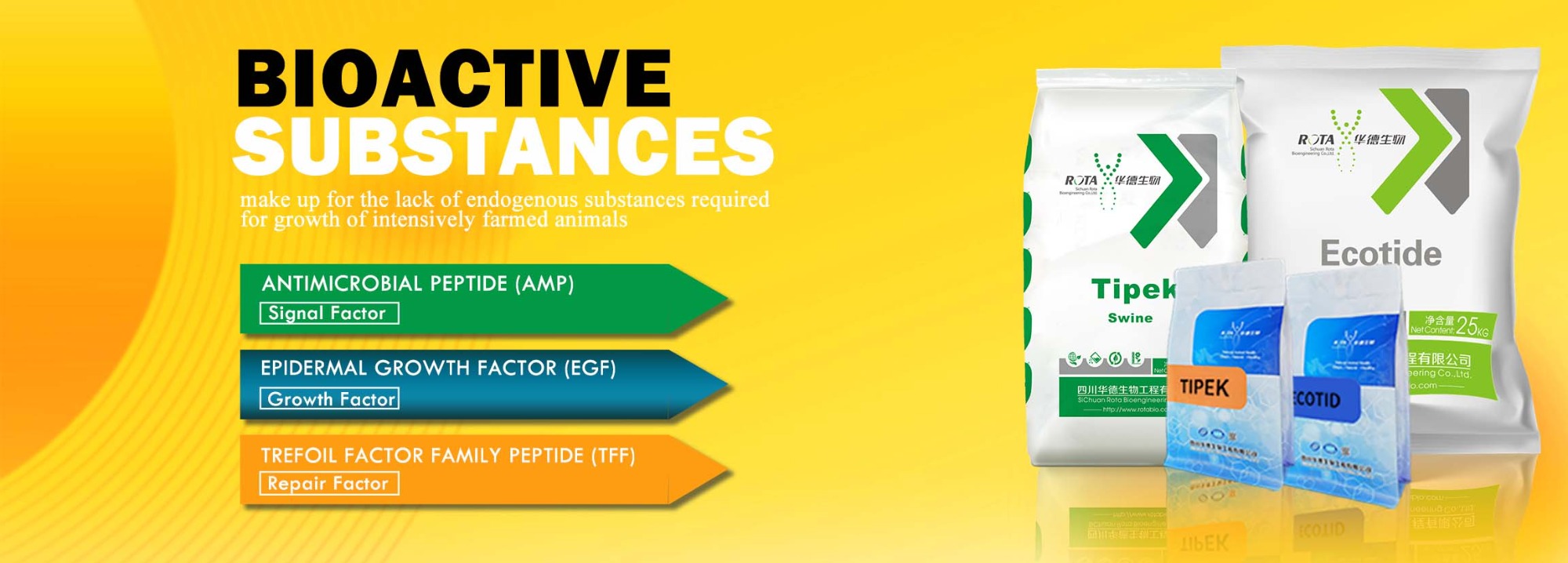
It can be helpful to include substances that repair mechanical damage, such as epidermal growth factor.


04 Toxin
The metabolites or toxins released by parasites can cause adverse reactions in the body, cause immune suppression, and reduce the resistance of cattle. The level of antibodies produced after vaccination also decreases. Antimicrobial peptides can help stabilize vaccine levels, while binding endotoxins to lower inflammation levels and regulate immunity.


05 Complication
Mucosal damage caused by parasites opens the door for other pathogens to enter, cause complications, and spread other diseases. Such as viruses, bacteria, protozoa, etc.


06 Other Impacts
For example, affecting reproductive performance, infertility or stillbirth, gastrointestinal nematodes can cause reproductive delays or disorders in cows, and sporozoites and trichomonas can cause miscarriages and premature births. Cryptosporidium can also cause zoonosis.


In summary, cattle parasites have a great impact on cattle farms.


Related News
Read More >>
Article Sharing | Interactions Between the Porcine Host and Gut Microbiota — The impact of gut microbiota on the host immune system Ⅱ Article Sharing | Interactions Between the Porcine Host and Gut Microbiota — The impact of gut microbiota on the host immune system Ⅱ
Apr .30.2026
Here is a **concise, journal-style introduction (a few sentences)**:

---

Commensal gut microbiota play a fundamental role in the development and regulation of host immunity in mammals. Disruption of the microbiota–immune balance leads to dysbiosis, which is closely associated with increased disease susceptibility. In contrast, the establishment of a stable and defined microbial community supports the maturation of immune functions. Among these, lactic acid bacteria have attracted significant attention due to their strain-specific ability to modulate immune responses and enhance host defense mechanisms.
Article Shareing | Interactions Between the Porcine Host and Gut Microbiota — The impact of gut microbiota on the host immune system Article Shareing | Interactions Between the Porcine Host and Gut Microbiota — The impact of gut microbiota on the host immune system
Apr .07.2026
Pigs are the only animal susceptible to human rotavirus (HRV)-induced diarrhea, making them an important model for studying host-microbe interactions. Studies in gnotobiotic pigs show that probiotic colonization with Lactobacillus rhamnosus GG and Bifidobacterium animalis Bb12 enhances HRV-specific IgA responses and reduces diarrhea severity. Similarly, colonization with the simplified Bristol microbiota upregulates serum IgA and IgM levels, supporting intestinal and systemic immune development in newborn pigs. These findings highlight the potential of gut microbiota interventions to modulate immunity and improve pig health.
Article Sharing | Interactions Between the Porcine Host and Gut Microbiota — The Role of Antibiotics Article Sharing | Interactions Between the Porcine Host and Gut Microbiota — The Role of Antibiotics
Mar .18.2026
Antibiotics are widely used in pig production to prevent disease and promote growth. However, their use can disrupt the gut microbiota, reduce beneficial bacteria, and increase opportunistic pathogens. These changes may affect intestinal health, immune function, and the spread of antibiotic resistance genes.
HUADE VOICE| The Festive Spirit Lingers — Life at Huade HUADE VOICE| The Festive Spirit Lingers — Life at Huade
Mar .17.2026
The Lunar New Year may be nearing its end, but the festive spirit is still in the air.