|
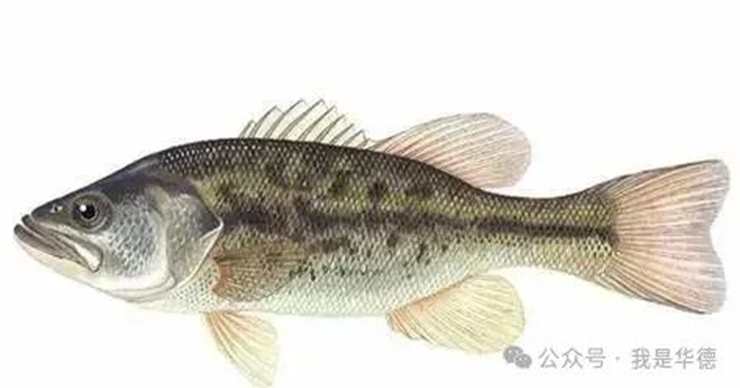
HUADE Technology丨Study on the Effects of Antimicrobial Peptides on the Growth and Metabolism of Largemouth Bass (Micropterus salmoides)
Source: Xuan, X., Zhao, Y., Zhu, W., Fan, Y., Zhao, Y., Guo, Y., & Li, W.* (2024). Effects of antimicrobial peptides on growth and metabolism in largemouth bass (Micropterus salmoides). China Feed, *1*(3), 119–124. https://doi.org/10.15906/j.cnki.cn11-2975/s.2023020034-01
Abstract
To evaluate the effects of antimicrobial peptides (AMPs) at different inclusion levels on the growth and metabolism of largemouth bass (Micropterus salmoides), a basal diet without AMPs served as the control group (CON), while experimental diets were supplemented with 50 mg/kg (D1 group), 100 mg/kg (D2 group), 150 mg/kg (D3 group), and 200 mg/kg (D4 group) of AMPs, respectively. Juvenile largemouth bass with an initial average body weight of (12.49 ± 0.2) g were reared in aquaculture tanks and fed the experimental diets for 8 weeks. Growth performance, apparent digestibility of feed, body composition, and nutrient metabolism-related indices were measured after the trial period.
Results
The experimental results demonstrated that:
(1) Growth performance: All AMP-supplemented groups showed higher weight gain rates compared to the control group, though the differences were not statistically significant (P > 0.05).
(2) Digestive function:
- Compared to the control, the D2 and D3 groups exhibited:
- Significant increases in Na+/K+-ATPase activity in the foregut by 32.35% and 39.04%, respectively (P < 0.05).
- Significant elevations in alkaline phosphatase (AKP) activity in the foregut by 12.09% and 10.05% (P < 0.05).
- Enhanced lysozyme activity in the liver by 11.81% and 10.9% (P < 0.05).
- The D3 group showed a 12.62% increase in foregut lipase activity (P < 0.05).
(3) Protein metabolism:
- Serum total protein content increased significantly in D3 and D4 groups by 19.53% and 18.7%, respectively (P < 0.05).
- Protein efficiency ratios (PER) rose by 10.31% (D3) and 10.82% (D4) (P < 0.05).
- Aspartate aminotransferase (AST) activity in the liver increased by 22.49% in the D4 group (P < 0.05).
(4) Lipid metabolism:
- The D4 group showed an 18.76% reduction in serum total cholesterol levels versus the control (P < 0.05).
Conclusion
Dietary supplementation with antimicrobial peptides improved feed conversion efficiency, promoted protein deposition, and enhanced immune responses in largemouth bass. The optimal dosage was determined to be 150 mg/kg. |
 |
Introduction
The largemouth bass (Micropterus salmoides) is a commercially valuable carnivorous fish species, renowned for its rapid growth rate, excellent flesh quality, and high market demand.
Antimicrobial peptides (AMPs), a class of naturally occurring cationic polypeptides, serve as crucial components of innate immunity in animals. They exhibit broad-spectrum antimicrobial activity against bacteria, fungi, and parasites, while offering advantages such as negligible residue accumulation and low propensity for inducing microbial resistance.
This study investigated the effects of dietary AMP supplementation at varying levels (0–200 mg/kg) on growth performance, body composition, and nutrient digestibility in juvenile largemouth bass. The objectives were to:
- Evaluate the growth-promoting and physiological impacts of AMPs;
- Provide empirical evidence for optimizing AMP inclusion in formulated feeds for carnivorous fish species.
Materials and Methods
|
Experimental Design
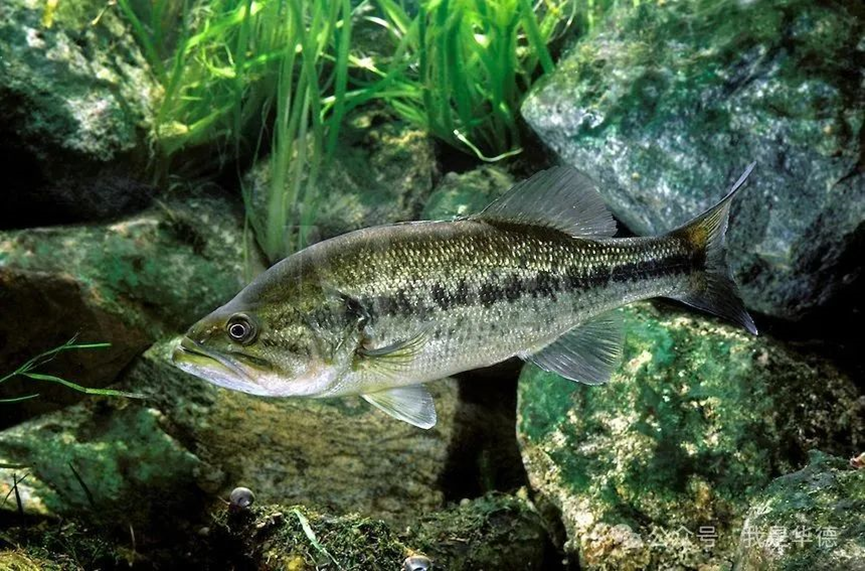
Healthy juvenile largemouth bass (Micropterus salmoides) of uniform size were acclimatized for 2 weeks in pond cages while fed the control diet. Fish with an average initial body weight of (12.49 ± 0.2) g were randomly divided into 5 groups:
- Control group (CK): Basal diet
- Experimental groups: Basal diet supplemented with antimicrobial peptides (AMPs) at 50 mg/kg (D1), 100 mg/kg (D2), 150 mg/kg (D3), and 200 mg/kg (D4)
Each treatment consisted of 3 replicates (25 fish per tank). Fish were fed to satiation twice daily (08:30 and 16:30) for 8 weeks.
Digestibility Assessment
During the final 2 weeks of the trial, fish were fed diets containing 1% Cr₂O₃ as an inert marker for digestibility determination. Fecal samples were collected from the tank bottoms via siphon within 1 hour post-feeding for apparent digestibility coefficient (ADC) analysis.
|
 |
Results
1. Effects of Antimicrobial Peptides on Growth Performance and Feed Apparent Digestibility
The effects of different AMP levels on the growth performance and apparent digestibility of largemouth bass are presented in Tables 2 and 3, respectively. Although all AMP-supplemented groups exhibited higher weight gain rates compared to the control group, the differences were not statistically significant (P > 0.05). Notably:
- The D4 group showed a 6.58% significant increase in dry matter digestibility (P < 0.05).
- Feed conversion ratios (FCR) improved by 9.4% (D3) and 10.8% (D4) (P < 0.05).
- Protein efficiency ratios (PER) increased by 10.31% (D3) and 10.82% (D4) (P < 0.05).
2. Effects on Body Composition
Body composition and morphometric indices are summarized in Table 4. No significant differences were observed in whole-body crude protein, fat, ash, or moisture content among groups. However:
- Crude fat content exhibited an upward trend with increasing AMP levels.
- The D3 group displayed a 9.4% higher viscerosomatic index (VSI) than the control (P < 0.05).
3. Impacts on Digestive and Immune Enzyme Activities
As shown in Table 5, AMP supplementation enhanced digestive and immune-related enzyme activities:
- Na+/K+-ATPase activity in the foregut increased by 32.35% (D2) and 39.04% (D3) (P < 0.05).
- Alkaline phosphatase (AKP) activity rose by 12.09% (D2) and 10.05% (D3) (P < 0.05).
- Hepatic lysozyme activity increased by 11.81% (D2) and 10.9% (D3) (P < 0.05).
- Lipase activity in the foregut was 12.62% higher in D3 (P < 0.05).
4. Protein and Lipid Metabolism
Table 7 demonstrates AMPs' influence on lipid metabolism:
- Serum total cholesterol and blood lipids decreased progressively with higher AMP doses.
- The D4 group achieved an 18.76% reduction in total cholesterol (P < 0.05).
Discussion and Conclusions
- Dietary AMP supplementation:
- Enhances feed conversion efficiency and nutrient (protein/fat) digestibility.
- Moderately boosts immune function in largemouth bass.
- The optimal AMP inclusion level under experimental conditions is 150 mg/kg.
|

 Article Sharing | Interactions Between the Porcine Host and Gut Microbiota — The impact of gut microbiota on the host immune system Ⅱ
 Article Shareing | Interactions Between the Porcine Host and Gut Microbiota — The impact of gut microbiota on the host immune system
 Article Sharing | Interactions Between the Porcine Host and Gut Microbiota — The Role of Antibiotics
 HUADE VOICE| The Festive Spirit Lingers — Life at Huade
