|
Strategic Management of Future Lactating Herds
Haven't we all heard "bigger is better"? It is widely believed that this is true for your heifer program. I am sorry to tell you this, but if you want to know how to improve the milk yield of your dairy herd in the future, you are encouraged to read further.
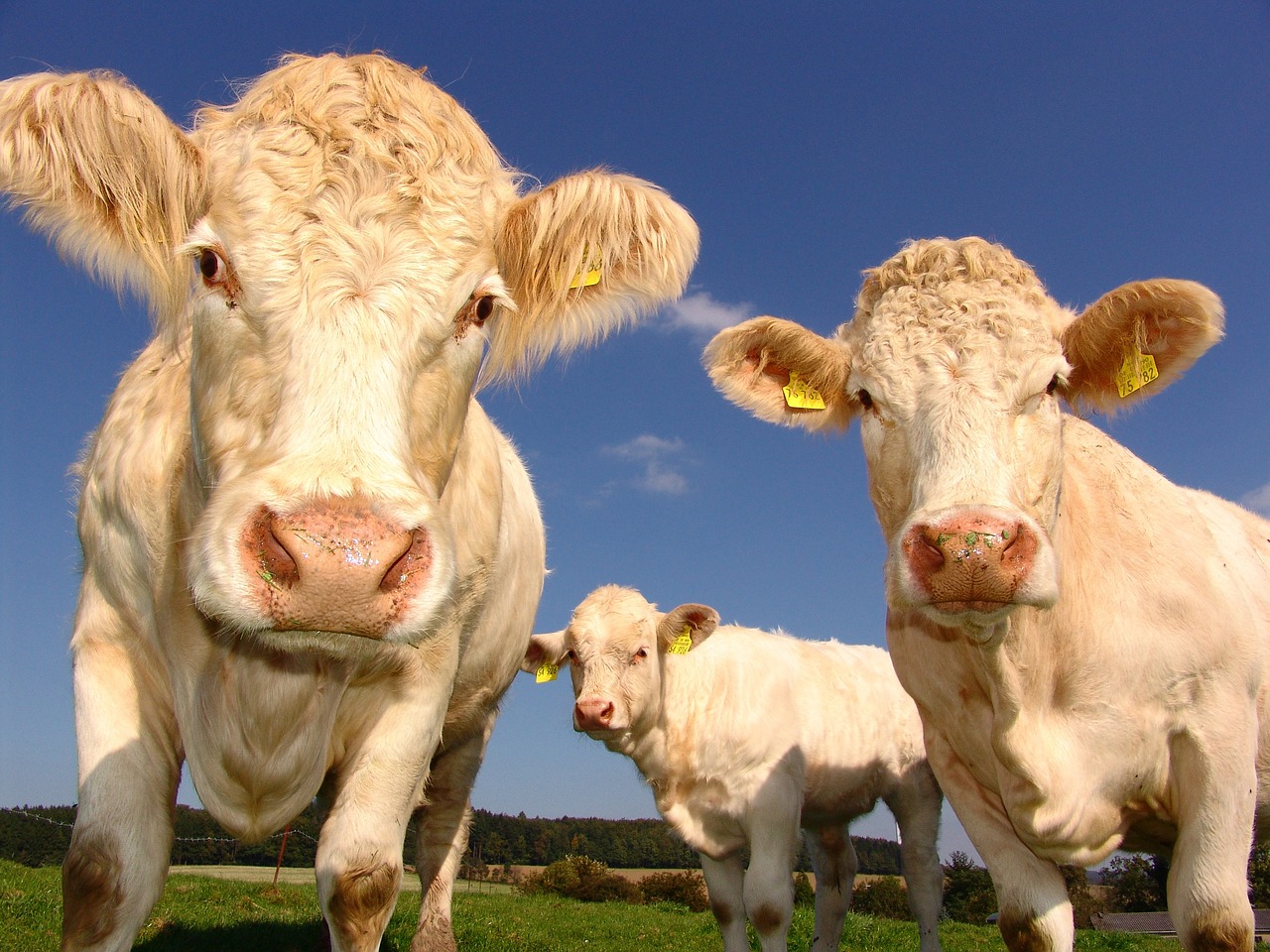 First, let us assume that you already know that the future of your herd is determined by the quality of your heifers. It may take a while for your heifer to show a true return on investment (ROI), but who wouldn't want ROI to come sooner? Let's stick to two words: "The bigger the better." "The sooner the better." First, let us assume that you already know that the future of your herd is determined by the quality of your heifers. It may take a while for your heifer to show a true return on investment (ROI), but who wouldn't want ROI to come sooner? Let's stick to two words: "The bigger the better." "The sooner the better."
Let's analyze these two statements: We want bigger, stronger heifers (who produce more milk), but we want to produce them as soon as possible. The data show that older heifers start out with more milk and therefore have better lactation persistence, but the data also show that younger, heavier heifers will produce more milk than older heifers. Unfortunately, there is no new or simple algorithm or software that can help us achieve our goal of finding "younger and bigger." Don't worry, though, there's an algorithm that can solve this puzzle.
Stunning Start-up
The production of the best young cows in terms of quality and quantity of cow colostrum starts from the delivery room to the calf island. The aim should be to double the birth weight of calves before 60 days of age-a "healthy and important start".
Environmental Factors
The need to provide a comfortable and desirable environment for young cows from calf island to late drying. This means there is enough feeding space, lying space and access to drinking water.
Feed
Adequate dry matter intake (DMI)/energy intake is critical. Observation of individual and group animals: Is there enough feeding and drinking space for each cow? Are they comfortable? Because we use excessive amounts of forage fiber in the diets of young cows, we want to ensure that picky eating is low. Hopefully all animals will get enough energy.
Reproduction and Energy
This is based, not weight. If you do everything else right, you should gain adult weight when the heifers breed. Don't forget to pay attention to the conception rate of heifers. Focus on good breeding protocols, not body weight, which will be achieved if we have a good breeding/management protocol.
Young cows are the future of the dairy herd. They need your attention and management. To achieve this goal, we should apprehend this goal. To achieve this goal,.don't forget your future herd.
|

 Article Sharing | Interactions Between the Porcine Host and Gut Microbiota — The impact of gut microbiota on the host immune system Ⅱ
 Article Shareing | Interactions Between the Porcine Host and Gut Microbiota — The impact of gut microbiota on the host immune system
 Article Sharing | Interactions Between the Porcine Host and Gut Microbiota — The Role of Antibiotics
 HUADE VOICE| The Festive Spirit Lingers — Life at Huade
