|
Defensin is the Optimal Choice of AMPs
Since there are so many kinds of AMP, how to choose antimicrobial peptides that are more suitable for feed production and animal growth needs might be a big problem for you!
By studying a large amount of literature, we think β-Defensin is a very good choice.
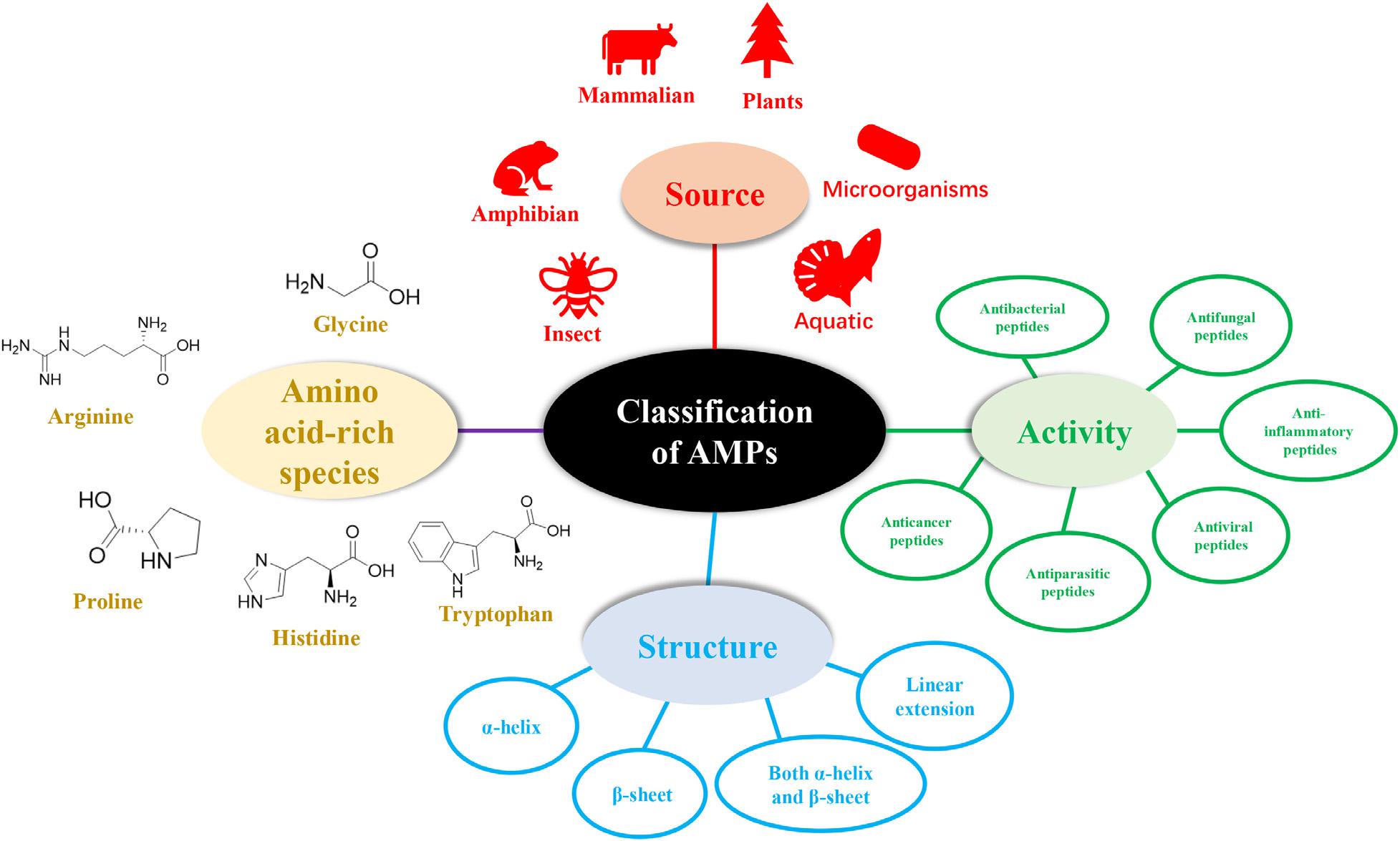 (Yuchen Huan, etc. 2020) (Yuchen Huan, etc. 2020)
Analysis of Cecropin and Defensin
Cecropin is an important type of insect- derived antimicrobial peptide that most companies advertise at present. Cecropin antimicrobial peptides have strong antibacterial ability and can effectively inhibit the growth of gram-positive and Gram negative bacteria. |
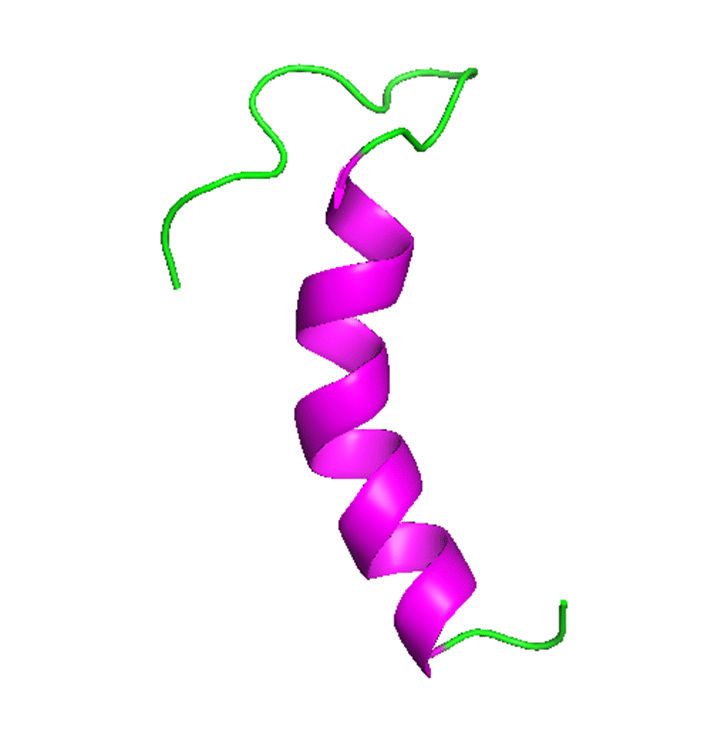
Cecropin Structure
|
Defensins can not only directly resist pathogenic microorganisms, but also have immunomodulatory effects. Defensins enhance the activity and chemotaxis of nonspecific immune cells, especially macrophages, through their role in cell signaling. Defensins can also promote the chemotaxis and proliferation of T cells in the body, enhance the body's immune response ability, regulate specific immunity, and enhance the active defense function of the body. |

β-Defensin Structure |
However, in terms of antibacterial function, antimicrobial peptides are not as strong as antibiotics.
|
Host Defense Peptides:
Innate Immunity AMP
Defensins are diverse members of a large family of antimicrobial peptides, contributing to the antimicrobial action of granulocytes, mucosal host defence in the small intestine and epithelial host defence in the skin and elsewhere. In addition, defensins have a direct bactericidal function as well.
Defensins in the form of beta folds are structurally similar to immune chemokines in the body, so they can act as chemotactic factor and anti-inflammatory factor to stimulate immune response.
|
|
Young and High Yield Animals
Need Innate Immunity AMP
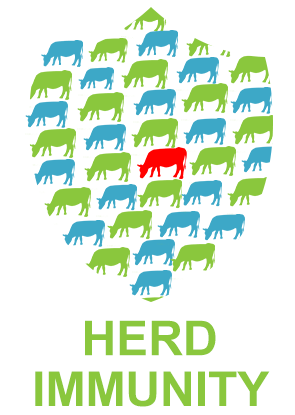
The mucosal immune system of young animals and high yield animals is usually very weak, which is related to no expression or inadequate expression of AMP. On the basis of maintaining of microbiotal banalance, enhancing animals’ innate immunity is the key to improve the health of the overall population.
|
|
|

 Article Sharing | Interactions Between the Porcine Host and Gut Microbiota — The impact of gut microbiota on the host immune system Ⅱ
 Article Shareing | Interactions Between the Porcine Host and Gut Microbiota — The impact of gut microbiota on the host immune system
 Article Sharing | Interactions Between the Porcine Host and Gut Microbiota — The Role of Antibiotics
 HUADE VOICE| The Festive Spirit Lingers — Life at Huade

