|
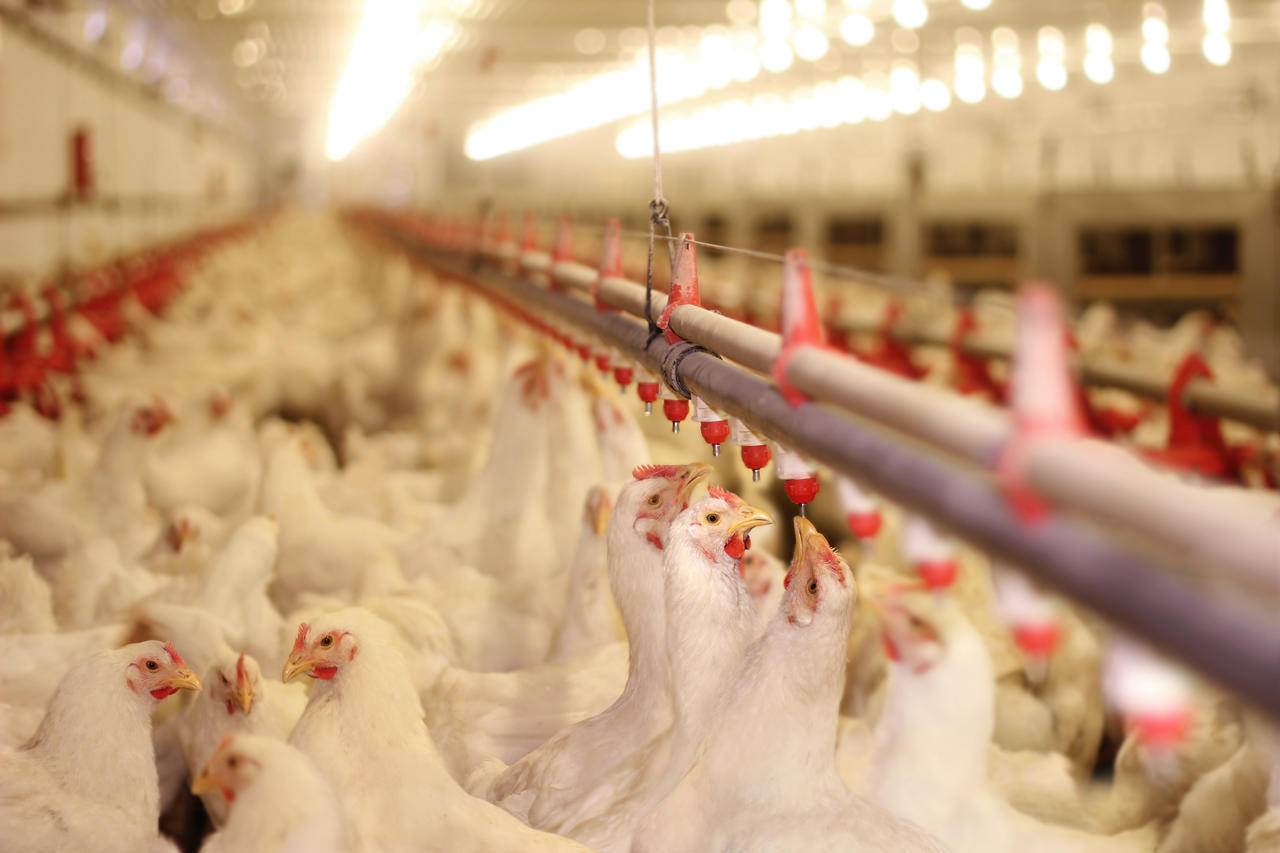
Way to Balance The large-scale intensive raising of pigs and poultry has contributed greatly to the rapid growth of livestock production. It can maximize the production potential of livestock. However, under such conditions, it is impossible to follow the laws of nature and ensure the natural growth of livestock.
Gut development is an important part of the natural growth process. The period of rapid intestinal development is the young age. Development of gut function during this period shapes long-term gastrointestinal (GI) development, function and health.
Take the intestines of pigs, for example: Early weaning is a significant stressor causing intestinal injury, that alters normal gut development leading to impaired performance and decreased disease resilience. (Adam J. Moeser,Calvin S. Pohl, December 2017)
There are many natural physiological barriers that help maintain the integrity of the gut, such as Mucus secreted by intestinal cells, Intestinal epithelial cells, Immune cell and etc.
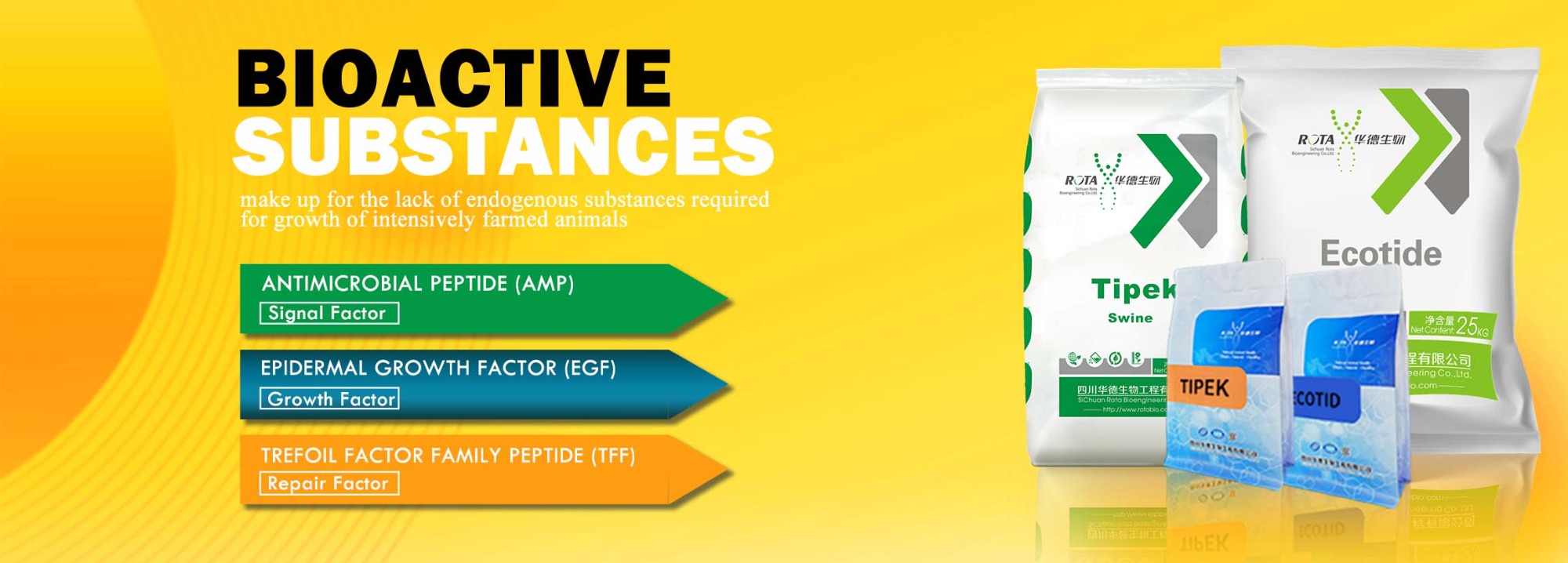
People often prevent intestinal diseases and improve animal performance by regulating nutrient absorption and digestion of diets and regulating microecological environment. However, when designing nutritional interventions, priority should be given to improving gastrointestinal conditions and avoiding damage to intestinal structure and function. Bioactive substances can directly enhance gastrointestinal conditions and should be an integral part of the formulation.
Whether AMP, EGF or TFF belong to this class of homologous bioactive substances, which are of great help to improve intestinal structure and function,so as to effectively help the growth of farmed animals and reduce the occurrence of diseases.
|
 Article Sharing | Interactions Between the Porcine Host and Gut Microbiota — The impact of gut microbiota on the host immune system Ⅱ
 Article Shareing | Interactions Between the Porcine Host and Gut Microbiota — The impact of gut microbiota on the host immune system
 Article Sharing | Interactions Between the Porcine Host and Gut Microbiota — The Role of Antibiotics
 HUADE VOICE| The Festive Spirit Lingers — Life at Huade